Why did I do that?!

Pudsey.jpg.gallery

I’m just on my way to Germany for a weekend dive trip and on entering the airport I was stood looking at departure times when an over enthusiastic (for that time in the morning) children in need collector invited me to buy some merchandise.

To set the scene, I had a big heavy bag resting on my shoulder, I wasn’t sure where I needed to go and how to get there and I was in the process of getting my bearings and checking flight info.

All I wanted to say at that moment was ‘no I don’t want any of your merchandise, I’m busy and  I’ve got a big bag that keeps slipping off my shoulder and pissing me off….’ But I didn’t, I wanted to appear a good guy……so what did I do? I lied.

I said ‘I’ve already given to the charity today’.

That will stop her I thought.

‘Where?’ She asked.

Fuck, I’ve got to go deeper.

‘My train station’ I said.

‘Which train station?’ she asked.

Long story short, by the time I’d finished my elaborate story of helping the charity she offered me a free sticker to prove my loyalty to the cause so I would not be interrogated again.

And whats worse –  I took it!!!!

Not only did I feel bad for lying, now I was taking from a charity I’d given nothing to!

As I walked off I went to the toilet and whilst sat there, (a place I do my best thinking), I contemplated why I’d done this.

But whilst I was contemplated the human psyche and my own human needs, the voice that often slaps me into action said ‘don’t fucking worry about all that shit, what are you going to do to rectify it?!I tell you what you can do. Its easy. Get off the pot, find the nearest Children in need collector and give them some money and stop being such a pussy in future and just say no if you don’t want to do something.’

So I did…..and got not a word of thanks. So balance was restored.

Because at the end of the day, no one really gives a shit what we do or do not do. It’s down to us to sort our shit out and strive to correct the stuff that we don’t like about ourselves, even if that’s simply that we don’t appreciate what we do have rather than fixing just what we see as ‘the bad stuff’.

This story alone shows at least I have a conscience, that in some way I do care, despite at times being selfish and just wanting to do what I want to do!

Going down the rope of change

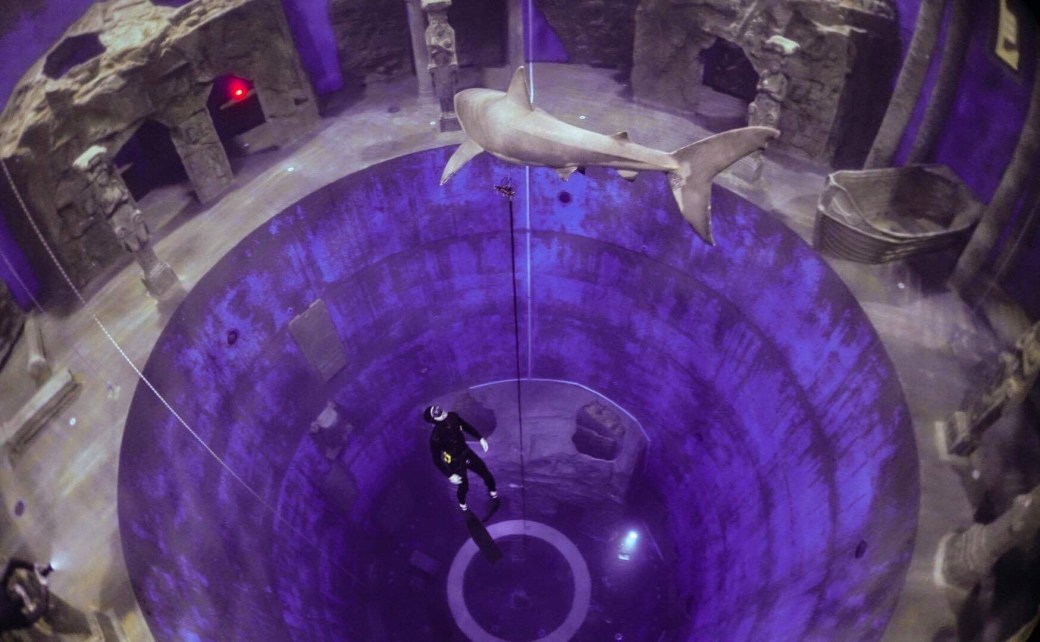
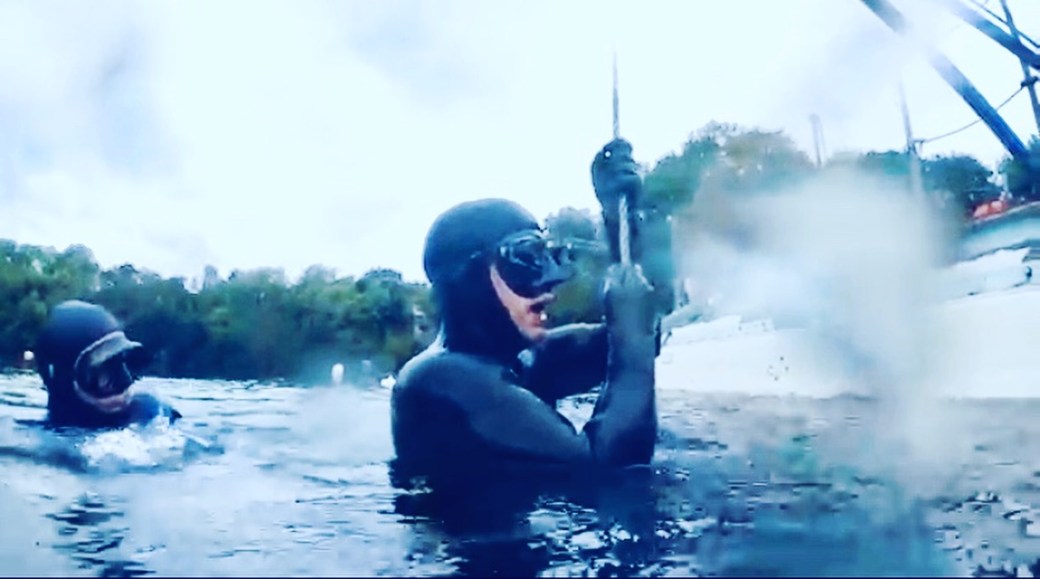
IMG_8385I am aspiring to be a better free diver. I love the sport.

But the truth is, like so many philosophies and religions, aspiring to and doing, often look very different.

Freediving isn’t about the depths a human can reach or the time a person can hold their breath underwater.

It’s about learning to be incredibly relaxed and at the same time developing impeccable form to move through the water with the least amount of resistance.

By mastering both of these disciplines, a person will, by default go deeper and for longer.

Another way of saying that to a newbies like me is the continual – ‘Head in, don’t look around, relax your legs, activate your core and numerous other instructions that I’m currently violating.

Much of the time I’ll be descending under water like some sort of rigid neoprene aquatic banana as my coach dives down after me trying to manipulate my bow shaped torso and inquisitive head that just won’t quit looking around rather than tucked in and stream line, or he will be jabbing my stiff legs that, unbeknown to me, clearly are not ‘zen relaxed’ enough.

And then there’s the safety etiquette of – do what you say you are going to do and no more. If you say ‘I’m going to go 10 metres, go 10 metres and come back.

Simple.

Well yes and no. It’s simple for a newbie like me until……until you realise ‘ohhh I massively underestimated this, I think I’m actually good to reach the bottom, how cool will that be?! Weeeeeeee!’.

Well it turns out, with the exception of how I feel, it’s not cool at all and it’s actually bad form and unsafe for my safety diver – ‘Bad sea banana’.

I’m lucky in the club I’m in.

I’m in good hands and have quality coaching. When I fuck up there’s always been someone clocking it. When I’ve thought to myself, ‘I’ve fucked that up a bit, but I think I got away with it’…I haven’t – someone’s always clocked me and ready to feed it back. When I’ve done well its been noted and when I need exercising, they stick me out with the big boys and girls to kick my ass up and down the pool.

I’d be less lucky if I was in some of the clubs we’ve watched this weekend whose attention to detail and safety was severely lacking. Basically they all looked and behaved like me….and that was just the instructors. So a recipe for disaster all round.

Its human nature to want to be doing to the cool stuff. The slick stuff that attracts us initially to so many things that interest us. Freediving is no exception.

The problem is with anything in life, we enjoy instant gratification.

We want to do the exciting stuff that we see people doing. We want to do this week at the latest, what we seem to forget (or don’t want to recognise), has actually taken someone years of hard work and dedication to achieve.

And when we are new we are like kids in a candy store. It’s the famous ‘marsh mellow test’ all over again! (https://en.wikipedia.org/wiki/Stanford_marshmallow_experiment)

I love having a look around when I swimming about. Not only do I like seeing where I’m going, I also hate tucking my head in as it feels like I’m missing the ride.  It can appear like the difference between racing or walking a scenic coastline. When you are racing, you hardly notice the scenery. Its head down until the end. But when you walk the same route, you experience so much more of the surroundings.

Also learning good form is time consuming and repetitive. Its like being kept in for detention doing lines while your mates are kicking the ball outside the classroom window.

I can only speak for myself, but as a Newbie diver, I want to be down the deep end where the fun is.

It’s just a grown up version of choosing whether you want to spend your school swimming lessons diving for the brick back or doing lengths. It’s got to be the brick!

But it’s not a sustainable mind set for progression in freediving or, in many cases, life in general.

We can only go so far with a kamikaze attitude. Sooner or later we will crash and burn.

So what can we do to change this?

One idea is to create ‘association’.

Association to something better than we currently have or away from something more painful than we currently feel.

To use the same example. I like seeing where I’m going. I like looking around at what’s going on under the water. Not only is it less likely that ill knocked into something or someone, but it’s just more interesting.

But it’s also holding me back. I’m in the marshmallow trap.

So I need to marry these two opposing ideas – looking around vs getting better –  if I want to progress.

Something one of my coaches said this weekend that amalgamated these two opposing needs is very much like setting any goal and works as a nice metaphor external to freediving.

He said you have to get clear about what you want to see and where it is location wise before you get on the rope.

Once you’ve decided, until that destination point, you’ve got to ignore anything else around you. The only thing you should be paying attention to is how you feel internally and what you form is like.
The time for looking around – the only time –  is when you arrive at the destination – whether that’s the bottom of the pool or sea, a wreck, or any other interesting point you’ve agreed to get to.

All the way down that rope there’s going to be distractions – the instant gratifications of this world.

There’s going to be lots of things to disrupt my concentration and my form.

But in order to get to where the really cool stuff is – (whatever that is for each of us) –  I must spend the time learning to be more zen like, totally zoned out and only concentrating on how I feel internally on the decent rather than ‘hey look at that fish….. and that one…..oh and that one…..am I there yet?……oh fuck I’m out of air!’

The bottom line is, form needs to be worked on because it’s going to get us to the fun stuff. It will even make the boring stuff seem cool because it will just become easier the more we do.

It may be dull in and of itself, just practicing leg strokes up and down the pool, but it will be perceived differently and easier to sustain the training when there’s the idea of say-  ‘do this and you will be able to dive and stay down with a Whale one day’ waiting for us at the end for us.

Our ability to achieve things isn’t about will power, it’s about incentive. It’s about incentives that connect to our values and our beliefs.

If we align these properly, will power is very rarely required, but if it is, it’s only needed to light the spark of motivation rather than to fuel the entire objective, which will power can never sustain.

It’s also remembering neither way is wrong or right. It’s simply about what we want and more importantly ‘why’.

If I’m happy where I am, I need to acknowledge that and say, ‘that’s cool’.

Sometimes we are striving for things we already have, but are so focused on what we think we are missing, we actually miss what we already have that really makes us happy.

That being said, if we do want to achieve something different, we can’t stay where we are.

I’m probably at the limit of progression in my diving if I don’t work on the areas I’m critiqued on.

Again, who cares if I look like an inquisitive banana in the water if I’m having fun? I for one don’t.

Crack on and enjoy yourself.

If you can recognise it you’ll be miles ahead of a lot of people who are striving but never finding.

But what I do care about and what I want, is what comes with getting better. I’m not bothered about being a sea banana, but I am bothered where the limits of being an aquatic banana tethers me to.

I’m under no illusion. I’m going to be world class, if for no other reason than because I don’t put either the time or dedication in that’s needed.

That’s never been my objective. I just want to stay under water for longer and see fish and explore wrecks that are predominately fairly deep underwater……and dive with a maaa-hu-sive whale one day.

Goals are about knowing ‘why’ and ‘what’ we want and using that as our incentive.

But once we have our beacon of ‘why’, where we need to get busy at is, is at the process point. The ‘how to’. The ‘Everything along the rope’

If we get the work needed on the rope right – the process – The pre dive prep, the technique and form needed for smooth decent, the relaxation required to preserve oxygen levels and all the other stuff I’ve probably missed – the destination will be a bi product of those efforts.

But that’s all Dandy. It’s true but it’s also a lot of theory.

By knowing this will I be a model student? Will I be laser guided every session? Will my form suddenly become flawless and never to be corrected again through this freediving evolution? Will I never again thug my way past where I’m comfortable just to reach the marshmallow, – aka the bottom or the end of the pool? Will I be more pissed than Zen when it’s not going as I want or being told what to do rather than what I’d rather do?

Of course not. I’ll do all those things. But hopefully not as much. And it’s not just about being new at something. It’s simply about growing. And if we are growing not even the pros are immune to this stuff. They just getting better at acknowledging and resolving it.

Each time we get a new perspective we can never think the same way again.

Each time our values are attached to an objective it’s much harder to violate the process.

When we are aligned to something we intrinsically believe in, we find it much easier to resist instant gratification.

When we have no direction, we seek distraction. When we have an innate mission, we shun distraction.

Success is not about who we are. It’s about where we are.

Because where we are dictates what we see, what we hear and what we feel.

For us to make changes, we don’t have to change who we are, we just have to metaphorically change the position we stand in. By doing this we won’t have biologically changed, but the way we perceive things and how we respond will be totally different.

Influence

45935592_942705335915176_1680962492127248384_n

Edward de Bono said ‘Everyone is always right. No one is ever right.’
It’s just a matter of perspective.

But I heard something about ‘influencing others ’today which really resonated with me and how I work with people – or don’t -depending on how they receive what I believe is right. I’ve always struggled with the majority of the personal development/self help industry and have never really attached myself to any one methodology because I think much of what keeps the industry and individuals in the business is largely padding or just BS theory to keep people locked in.

I had a lady ask me about hypnosis the other day for losing weight which would have been easy to sell, to say ‘yes sure, come in and see me tomorrow’ and to give them a session based on what they’ve asked me. It may have worked superficially, but not long term.

That’s easy to do and pays short term, but its not congruent for me. Id rather go and do something else than run a practice like that.

Instead I spoke with her about what I believe and by chatting together what I really thought she needed to loose weight and break the habits she had, that she felt made her out on weight and it had nothing to do with hypnosis or diet.

Whether I’m right or wrong, whether I loose a client or not is something I can’t control. All I control is my congruence.

Influence I heard today is not about convincing someone else about what we are saying, but rather it’s about them believing we believe what we are saying.

It’s a subtle difference but is very different.

I loose lots of clients when I say what I think. And obviously I’d rather keep them, but in reality it would never work and I’m only interested in what works rather than what sells.

But I also change a lot of people with what I think.

Not because I’ve just read it or been to a weekend workshop, but because I’ve also experienced it. I believe it  because I’ve witnessed it. What I’m saying is what I know does work because I’ve used it in the real world both with myself and others.

I may not be the right fit for you. You may think I’m talking shit, but you’ll be in no doubt I believe what I’m telling you – not because I’m trying to sell you something but because I really believe it’s what creates the changes you are asking for.

My way is rarely easy. It’s usually pragmatic and basic and it takes work and time and even at the end it’s not perfect. But it’s sustainable and it’s practical and it’s built to last.

Modelling fear

IMG_8236

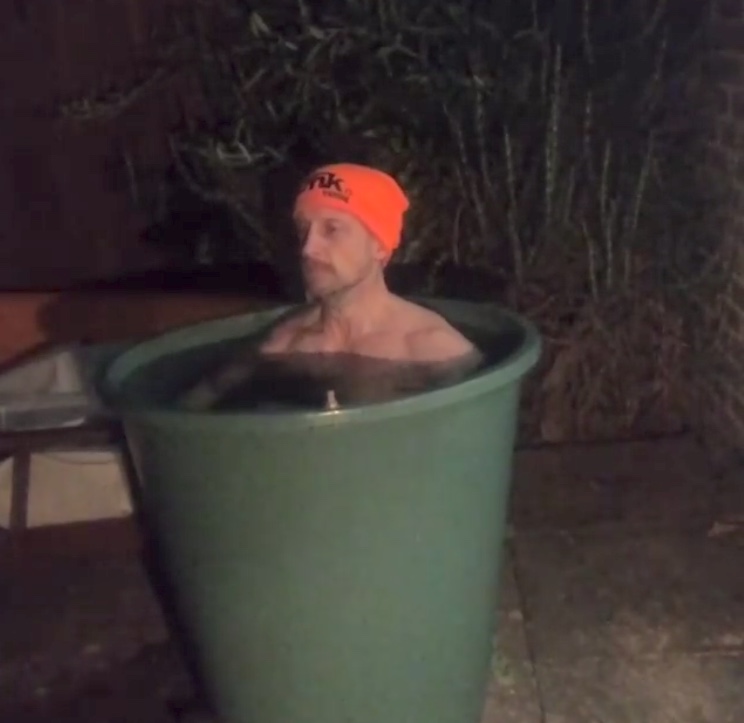
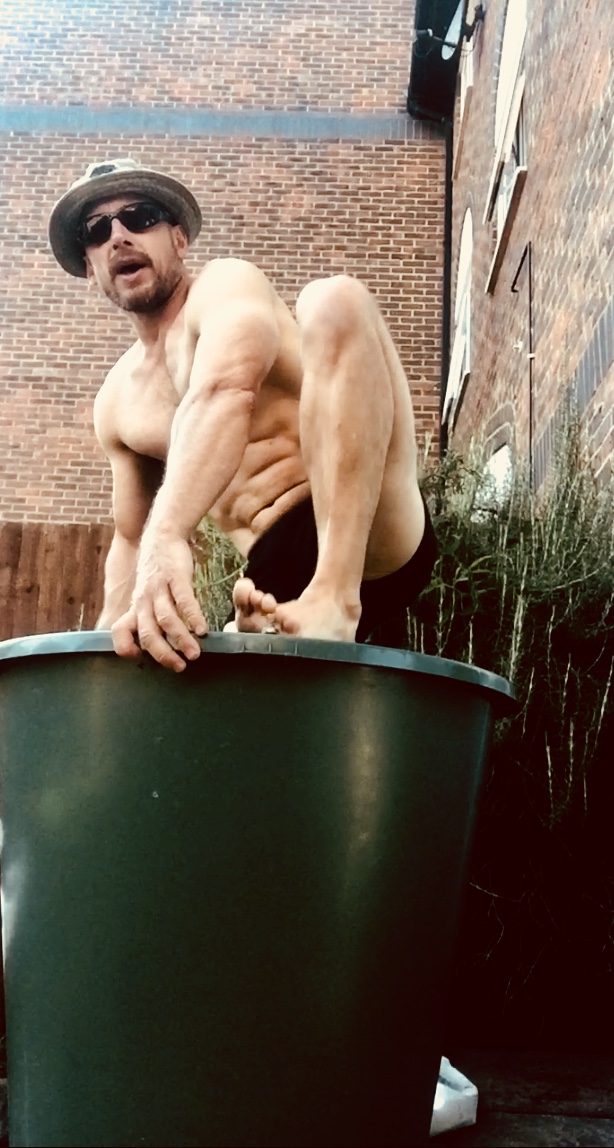
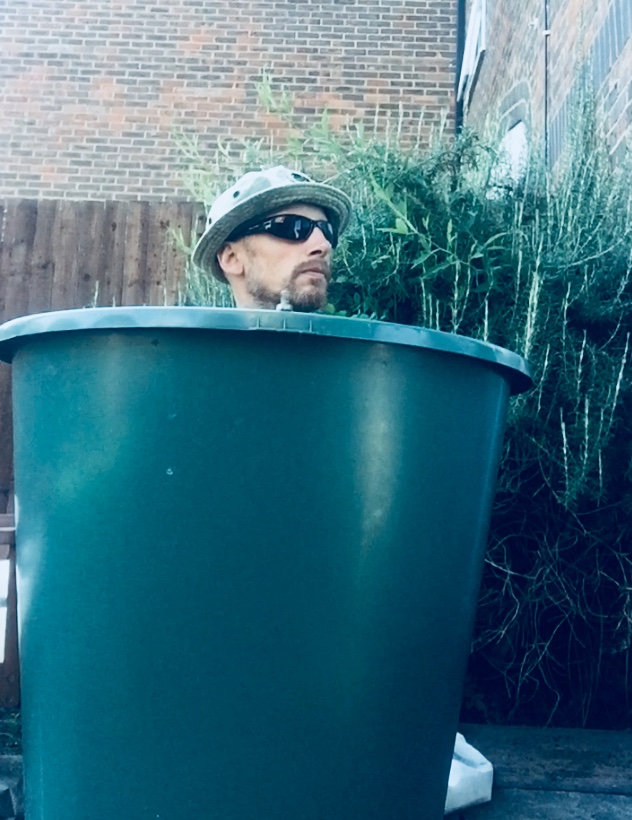
Tonight’s stint in the ice bucket on a frosty evening, got me thinking about the idea in NLP of modelling excellence in individuals who excel and then with said blueprint we can reproduce similar results by simply following the instructions.

It’s a great sales pitch and it sells workshops. It’s a great idea that produces more practitioners that go on so sell more workshops repackaging the same ideals, but it rarely creates replicas of excellence in many of them.

Because whilst modelling can work it’s a lot more complex than just imitating a few bullet points.

We are all complex individuals all made up of lots of different ingredients.

Unless we have all the ingredients of a particular excellent individual it’s unlikely modelling a few specifics will reap much reward long term for us.

Just modelling excellence most of the time is like being given the blueprint of the icing sugar on a cake you would like to make.

It’s may appear to taste good during the two day workshop, but you soon realise when you get home that you are lacking a large amount of the ingredients that make the whole cake.

The icing on the cake is mainly just marketing bullshit.

In order for us to make any sort of cake we need to know what ingredients we are made of – what we have in the cupboard. Not just our strengths but also our weakness.

We need a way to be truthful with ourselves about the ingredients we haven’t got.

And then we need to get off our ass and get down the shop and get them.

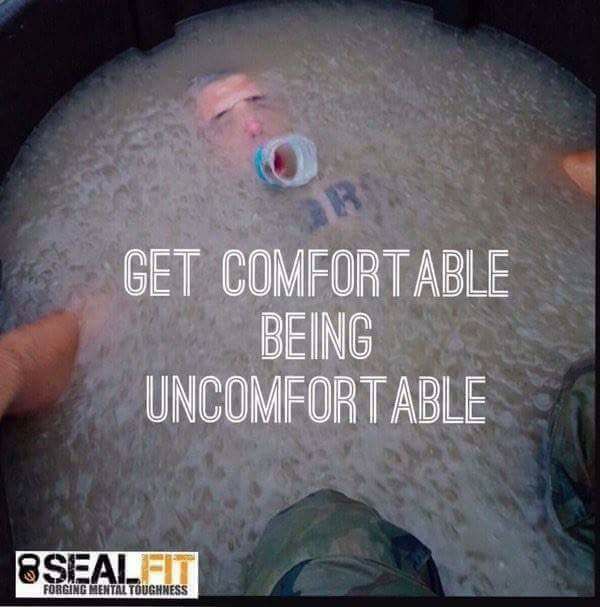
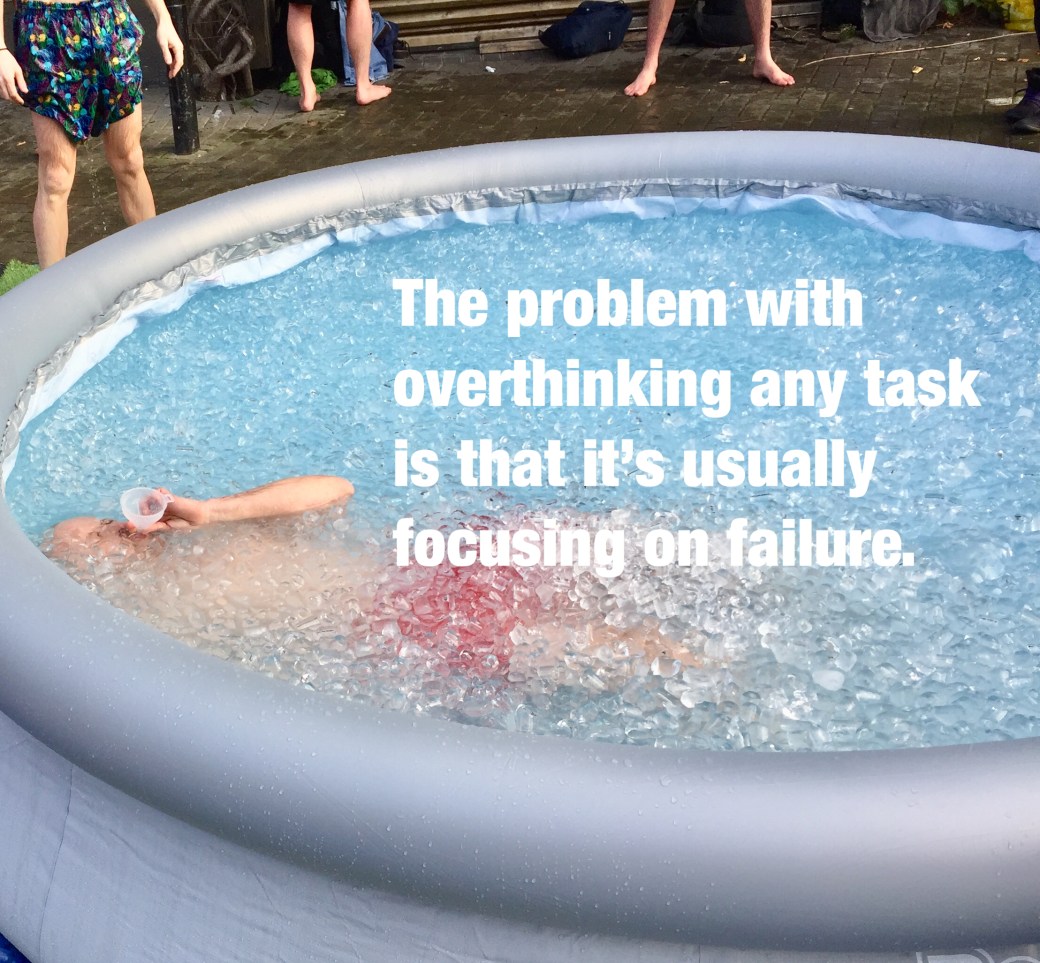
For me, that’s what the cold water training shows me.

I don’t like getting in cold water on a frosty evening, but I don’t know a better way to meet me and my bullshit excuses and also what strengths I’m made of that says ‘stop pissing about and fucking get on with it! Get out there and in that fucking bucket!’.

That’s modelling for me.

It’s our individual and fundamental ground work and understanding of how we work.

It’s the foundation that’s needed if any of the ‘modelling of someone else’s excellence’ – the icing on the cake, is ever going to stick for us.

Comfortable being uncomfortable.

apnea

Tonight’s Freediving drill is about becoming comfortable being uncomfortable.

It’s about learning to relax when the body and the mind want to freak out.

Marco a very experienced freediving instructor is our coach for this evening and it’s all about building up C02 in the body and learning to relax into it when the body is screaming for us to breath.

The desire to breath isn’t as much about needing oxygen as it is realising Co2.

In states of apnea, such as freediving, the body is unable to regulate the increase of CO2 by moderating the intensity and frequency of the breathing cycle. Thus, the body signals the brain that there are increased levels of CO2 in the bloodstream (hypercapnia), creating the urge to breathe.

For freedivers, the urge to breathe often manifests itself as a burning sensation in upper portions of the chest or in the form of contractions/convulsions of the diaphragm directly under the ribcage.

Despite these feelings, which can be overwhelming and unnerving for untrained divers, there is no need to panic as these are only signs that the levels of CO2 in the bloodstream are increasing and there is still plenty of usable oxygen remaining in the system.

The ability to recognize your personal limits and tolerance to increased carbon dioxide levels is something that will be developed over time and with practice. Ultimately dive times can be increased by training the body to tolerate higher levels of CO2. ( Explanation was taken from https://www.theinertia.com/health/understanding-your-physiological-urge-to-breathe-when-youre-underwater/)

As I mentioned in one of my other post https://younglobal.wordpress.com/2018/09/10/id-rather-not-who-cares-what-youd-rather-not/ the desire to do well, or more accurately not fail is a strong driver. Wanting to succeed brings with it, the temptation to find ways to ‘go easy’ so we don’t find ourselves falling short of a perceived outcome and feeling crappy about ourselves.

Especially in the case of a novice free diver like myself, it’s hard to override the desire to make every apnea length rather than the thought of over exerting myself too much and not being able to complete the length, which gives the impression of success. Getting to the end feels good. Popping up half way feel like failure.

In freediving terms it’s not, but in real life, default hardwired thinking it does! That’s what we are conditioning. To override the default.

Because freediving, especially in my club, is about contradictions.

We are often succeeding when we believe we are failing.

When we have to surface early its better than fighting through, purely as a feedback mechanism. We are training our brain to be in the moment and to relax not reach a destination that causes both anxiety but also barriers to growth.

Because it’s not about completing one length, is about comfortably doing 4,5,6 or 8, who knows. But it’s about training the brain to be comfortable and relaxed in the moment and not about trying to make a distance. The distance will come as a bi product of being relaxed. By striving for the distance we are rarely relaxed and therefore fail to get as far as we could do.

And then to contradict point, we then want to train ourselves to be stressed and very uncomfortable but then learn to become comfortable in that state.

To force our body to crave a release but to deny it by learning to acknowledge and accept and control those sensations and emotions.

One exercise Marco had us doing this particular night that demonstrates this, was one in which we want to learn to control the natural desire to breath mentioned earlier from CO2 build up rather than need for oxygen.

We swim 50 metres with no fins as quick as we can and then on the count of 20, which isn’t enough for full recovery, we lay face down in the water and attempt to hold for 1 minute.

Instantly you put your head down your heart beating in your chest lets you know you are not ready. Then your mind kicks in. Everything is saying I’m not going to make this. Then the thoughts of not wanting to fail or to quit kick in. The desire not to be beaten or to be the first to break is adding to the sense of panic.

And despite this, this is where I want to be. This is the simulator. This is where we go to work on ourselves. This is where we grow.

By noticing your physiology and releasing the tension, slowing the internal dialogue down and changing it, by taking your mind somewhere else and way form the pain. It’s leaning to accept it and change the perception of the pain, instead of trying to escape the discomfort.

And like all things everything’s about training and conditioning. What I’ve just written is true for me, but it’s just theory to you if you don’t do this. It’s an ideal.

The only way to really understand it is to do it. To practice. To feel it and to know your protocols for failure and for success.

And even knowing what I know, it’s not an infallible system and I regularly break before time..

In this example I came up 5 seconds before the time for the first attempt. I was annoyed because if I knew I could have made it….well once I knew it was just 5 seconds more!

But it’s the ‘not knowing’ thats the head fuck and where part of the training and learning lies. To have no end goal, no time frame and still be able to hold in there.

And it’s also about acknowledging that when you think you are done, as Ex Navy Seal and super human David Goggins says ‘when you think you are done, you are really only 40% done’.

Once I realised I’d come up short I dug a little deeper next time and made the rest of the sets.

It hurt like hell but it was within my capability.

And it’s also about understanding that the Human default is to getting away from pain and towards pleasure. And because of this we often move away from the very things that will, in the long term, make us much happier.

My mantra when I get to my pool sessions is ‘I’m here to train not feel good’.

And what I mean by that is that I want to get better.

And if I want to get better I’ve got to get uncomfortable.

I’ve got to be prepared to meet myself out there both mentally and physically.

To recognise when I’m trying to run away or coast along just so I can remain inside the bullshit persona we all concoct about ourselves in an attempt give the illusion of being better than we really are and essentially feel good.

To listen to my internal dialogue when it’s getting rattled or angry and to look at what’s really going on. It’s about accepting all of that and also recognising my outcome and why I want it.

I imagine a rope tethered to an end point. And when all the other shit is going on I just concentrate on pulling myself along the rope and try to ignore the barrage of other crap that coming in on me.

Getting comfortable about being uncomfortable isn’t about being unbreakable or being indifferent to our emotions. It’s not about learning to be an automaton or a psychopath.

Learning to be uncomfortable and accepting the discomfort is about self-recognition. Of seeing where the cracks are. Of being present to who we are and all our vulnerabilities and short comings.

But even more importantly it’s about recognising, using and developing our strengths.

Those parts of us that are our values, our principles and our underlying character that we rarely get to see when we play it safe or never feel pain.

Like the contradictions in freediving, being able to embrace who we are and who we want to be is equally about being willing to step into the parts of us that we don’t want to be reminded of and the parts that show us we are not perfect by any means.

It’s inside of these spaces and overcoming weakness with strength do we become the person we can respect.

IMG_2542
IMG_6605.JPG

Gaining Self Control

For most people, they have areas in their lives that they are discontent.

We all look at other people and think the grass is greener.

We have regrets and idealistic notions that if we had done it another way, things would have worked out for us where we feel they are currently failing.

We all get frustrated in the areas of our lives where we know ‘what we don’t want’ or where we are not particularly happy.

Areas that frustratingly we don’t know what we would rather be doing and therefore stay stuck.

In many cases this can lead individuals to eventually spiral into one form or another of mental health issues. Whether that’s depression or anxiety related or physical abuse and self-medication with things like alcohol or drugs.

Even for the most driven of people, things are rarely black and white.

When we scratch the surface, life is not perfect for anyone.

None of us have got it totally right regardless of how we portray it on social media.

And I’m certainly no acceptation. In fact I’m probably a poster boy for this human condition! The sense that I should be doing something more, be more, have achieved more by now, but all the time not knowing what that more ‘looks like’ so I can at least go and get it.

For driven people without a direction it can be mental turmoil. Knowing what we don’t want but not exactly what we want can be a real head banger.

It creates a sense of detachment, a feeling of waiting for the bus that may never come and a general a recognition of our real lack of control.

As though life is slipping by and we are still not on the right track. One that we can truly lock into and feel connected to a cause that resonates with us – like that person on ‘the greener grass’, who seems to have found their vocation in life and is really content despite often being run ragged at times.

The reality is that many of us – in fact, if the statisticians are to be believed – ‘the majority of us’ feel this way.

Most people are not overly happy how their lives have turned out and many may never find or feel they found their vocation.

Life for many feels like it’s on auto pilot and the best we can do is just keeping busy and get on with it.

Sad though that is, that’s reality.

But whilst we are sitting in this space where we don’t know what we want in terms of the ‘big picture’ of where we want to go in life, we can manufacture building blocks that may help get us there or at least leave clues where we should be heading.

We can create situations for ourselves that do combine that ‘sense’ of how we want to feel that we may currently be lacking and can really kick the ass out of our self-esteem if we let it.

We can find things to do, that give us that sense of self-respect.  Things that aligns us with our sense of self, the one that we just can’t find ‘out there’ in day to day life.

There’s lots of these little things I do to get this sense of alignment with who I am.

Things that continue to exercise my values and beliefs in Commitment, dedication, being trustworthy and reliable, of having grit and determination when things get shitty and to continue to prove the belief that I want everyone I engage with to have who has a dream, especially me, which is as my Tonk strap line says (taken from the poem Ulysses) – ‘To strive, to seek, to find and never to yield’ and that ‘there is always a way’.

Things that test me and trip me up and show me where I’m vulnerable so I can find ways to overcome them and grow by just being committed. Things that in time will help me become more of ‘who I am capable of being’ once all the bullshit and false indoctrination’s have been stripped away.

One of those things which still tests me, even having done it regularly for a couple of years now is cold water immersion training.

IMG_7728

Ironically it has the acronym C.W.I.T  – which it often makes me want to do. There’s rarely a time I relish getting into the cold water.

But what I do relish is overcoming my fear.

Of breaking past the doubt, my fear and inertia. Of knowing that if I just follow protocol and what I’ve learnt so far, I will be ok.

Of knowing that each time I do it I’ve got a bit stronger mentally.

These things become distilled moments of how we want to feel like in our day to day lives, but rarely are afforded.

By doing lots of these things we can at least continue build our sense of self-worth one block at a time. By doing those things that challenge us, those things that attract us and at the same time scare us.

Those things that we know deep down resemble who we are – who we are at our core – who we are meant to be – but who life has taught us to doubt or to believe we were not capable of doing.

IMG_7727

No one has all the answers. Many people are living quiet lives of desperation. And I don’t know whether there’s a way out for the majority.

But that’s no reason to quit.

No one knows what’s round the corner – so that means there’s a chance.

But that chance won’t happen if we are not sharpening who we are in preparation.

We won’t even recognise it, never mind the right mind and the balls to grab it as it passes by if we’ve allowed ourselves to give up.

If we haven’t trained in our ‘metaphorical ice baths’ whatever that is for you, ‘it’ – ‘the life you want’ will pass by because we either won’t have the perception to recognise it or the courage and commitment to tackle it.

By doing something each day, or at least sometime in the week that aligns us with who means we get the strengths to handle what’s currently not floating our boat, and at the same time offers us the possibility that when and if opportunity comes our way we do not hesitate to grab it with both hands regardless of the fear.

IMG_7843

My first Free diving Competition 18m.

If I can just get moving

I was listening to a program today and the topic of mental health and exercise was being discussed.

And I always find it refreshing to hear genuine people, either in the mental health industry or from people suffering from mental health issues, speak candidly and realistically about the subject.

Especially the ways in which they are dealing with mental health issues and the best options available for managing them. Notice I said managing and I didn’t say cure.

It was good to hear people suffering from the likes of depression mention that when you are really fucked, you don’t want to get out of bed never mind exercise. The thought of a walk is even out of the question.

And as they mention, it’s about managing these bad times, not trying to cure anything.

That idea sold by the self-help industry for the most part just seems to create more problems. This is real life not a self-help seminar.

As a friend of mine working with wounded Veterans, both mentally and physically, says ‘it’s not about magic bullets or promising cures, but rather it’s an idea that if we can, it’s about showing people how they can cope 1% better. And when they witness that then we work from there.

I have very low periods. I don’t say I suffer from depressive episodes, even if the symptoms laid out for depression maybe the same as how I sometimes feel. The labels irrelevant to me, when I feel this way, I just need to manage it.

And as I mentioned earlier, on a bad day people have no desire to do anything, especially not exercise.

And it’s not a case of man up, or pull yourself together, any more than wishing to exercise if you hadn’t slept for 2 days. You don’t just snap out of it, because in reality you just can’t in that moment in time.

In my case however, when things subside a bit, but I still feel, well  ‘just extremely flat – with a sort of ‘what’s the point? running commentary going permanently on in my head’ exercise is my go to medicine – well movement to be precise more than exercise per say.

And even this idea of movement varies and shouldn’t be set in stone.

Sometimes a walk is enough and sometimes lifting weights hits the mark where a walk can’t that day.

But as I said, many of these, at one time, will not work every time for us. Its trial and error.

On some days a walk is just enough. On others a walk can give us too much time to think and to allow negative thoughts to drag us backwards.

Cycling maybe a better options as an alternative on these days because you are moving quicker and have to navigate the terrain, so the mind is kept busy.

Movement is one of the definitive and simplistic things I know to increase our mental well-being especially when it’s at these low points that I’m sure most of us recognise.

If anything that stands still too long, even us, it becomes stagnant.

And it’s more than a physical thing.

In fact I’d say it was, as much, if not more a mental exercise in these situations.

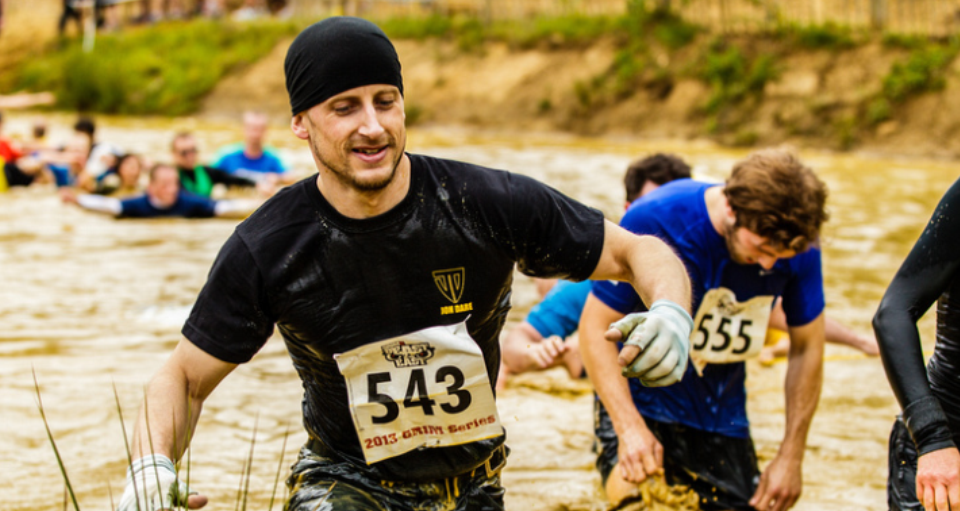
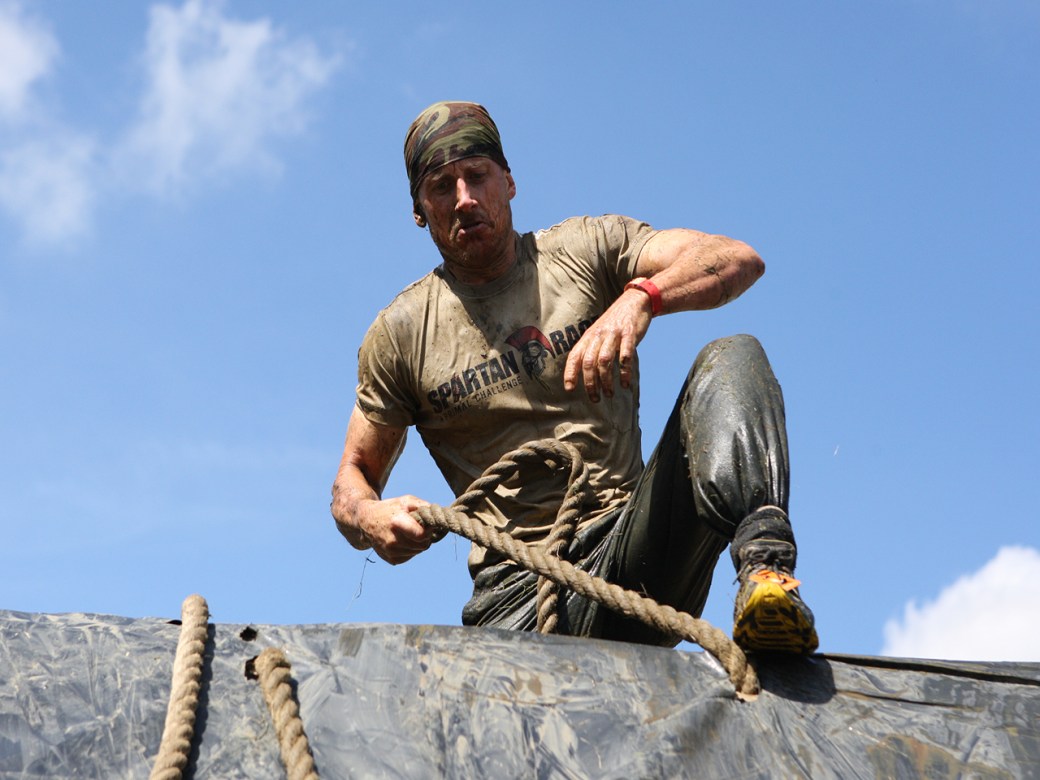
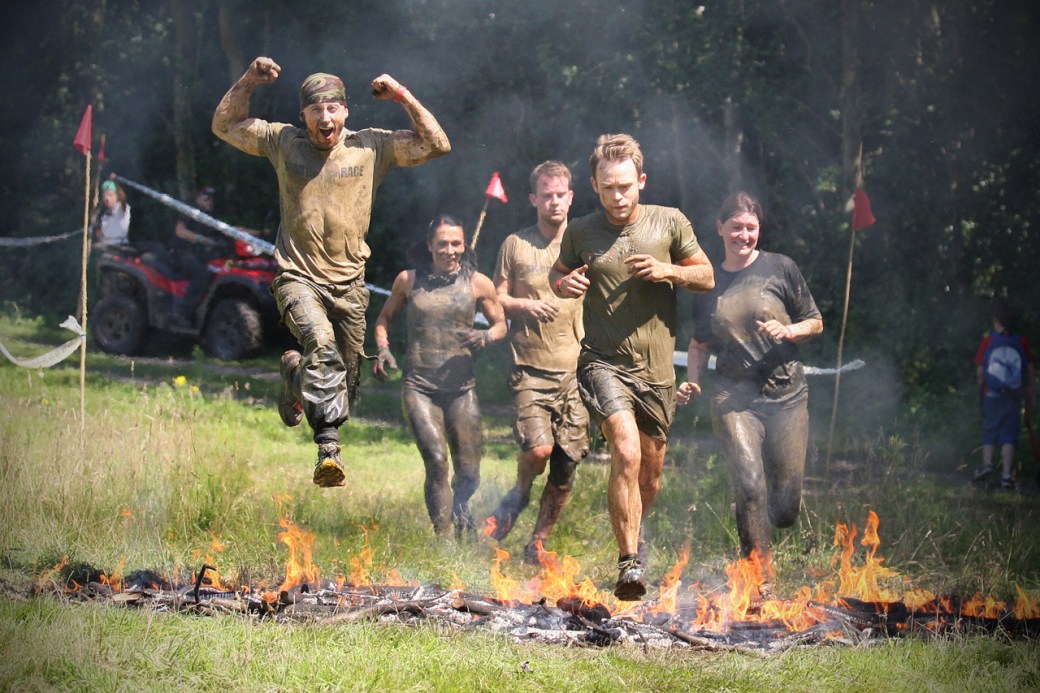
I initial put these notes together after a friend of mine spoke about doing his first Tough Mudder race and whether anyone had any advice for him……..Bearing in mind he only had two weeks to train for it and having not really done any running prior to this!

I gave him my ten pence worth of knowledge, having done a few of these races over the years and often with little prep time.
img_0497.png

However it’s very easy to reminisce about the bad times and remember how it was and to then give advice based on memories that are in fact full of holes.

Because we can never actually remember the physical pain of times gone by and why women for example can have more than one child. They can tell you about how bad Labour was, but the fact that they go through it again, tells us, as has been shown, we can’t really remember our pain.

19601489_10158913522520247_7649035706458581669_n

Conveniently for my friend at this time, , I was having a low week. But as a begun to feel like at least getting out of the house, I decided I go for a walk in the sun.
I then thought maybe I’ll take the bike out instead for the reason I mentioned earlier. A walk maybe too much time to fester in thought.

I like to train, but had not done any cycling or running for a long time.

So I drove to Richmond and rode the long trail round which is about 8 miles.

I didn’t hammer it, I just enjoyed it.

There was one point where I started to feel ‘I’m defrosting’. It’s a strange feeling, as though you can see or feel you’re coming out the other side of this lethargy.

I realised at one point I was riding down a steep section that bikes where prohibited from being on but the speed and crime was exhilarating and I couldn’t stop –  I didn’t want to stop infact and the thought of a high speed chase just added to the excitement – probably because I knew deep down no one was really going to arrest me – but in my mind, for the purpose of this ride, even the helicopter was tracking me down!

When I got to the van I wanted more. I wanted to run.

lairdspeechsm

But 8 miles without having run for a good while and just after a ride. But I also thought what a great experiment. To go out first hand and relive what my friend will no doubt feel on the day of his race and be able to report real time when the shit times happened along the way and how I personally deal with them in real life not from memory.
IMG_0049

Here’s the first mental hack –

  1. Lie to yourself. I said to myself as I sat in the back of my van contemplating the run –  ‘look just run for a mile or so and see how you feel. If you feel crap come on back.’


This works even though you are the one lying to yourself –  you know it’s a lie but It fools the mind that it has options of not experiencing perceived certain death. It takes the pressure off believing you are going to run the full distance which you may be doubting you can do which doesn’t create a great mindset.

I know however, that once I’m two miles away, I’m not coming back – it will seem too far to go back then – I’ll have to keep going. The worst that will happen is that I have a long walk back to the van!
IMG_0050


So, I set off. The weather warm and my internal negative dialogue starts up.

It’s always working on the side of caution and it never thinks this what we are doing is a good idea and that I should stop by attempting to point out all the areas of discomfort. And it’s mainly because it always takes me a few miles to get my stride. To find my breathing.

That’s hack number two

  1. Know your ‘rhythm’ time. Mines about two miles before I start to feel comfortable. Up until then I have loads of mental chatter based on the fact that I physical feel crap. Make this part of your training. Get to know this person who is catastrophizing. Know how to communicate with that part or how to separate yourself from it. I never train with headphones at these times because I want to hear everything. I want to get to know this part of me and how to work with it. Because, if I don’t, then come race day the whole race can suffer.
    Breath work is one of my best go to places to distract me and to focus me naturally rather than from an external source like music or other people. I have my own pattern of doing this, create yours from experimenting.

 
I’m past the two miles now and I’m finding my rhythm.

So what do I want to do –  well I decide I want to fuck it up again, to not cheat and take the easy path,  so I go off track and along the river bank which is up and down, there’s jumps, there’s stops and starts and a chance of falling in, so when I get back onto the track, I’ve got to dig deep and regain my pace and breathing. Again great practice for OCR training – mess your pattern up deliberately.

Now I’m getting hot, so I use the environment. I first soak my hat and later my T shirt in the river and it works a treat to keep me cool and give me one less distraction to focus on.

That’s Hack number 3 –

  1. Use the environment to your favour

As I continue I meet another runner on the path and his pace is slightly slower than mine and I pass him, and use this as another good opportunity to train in terms of being pursued and keeping my rhythm rather than attempting to run faster to beat them.

I’m feeling it a bit now, so again I focus on my breathing rather than the voice that’s saying ‘don’t let him catch you……don’t let him beat you…hes going to pass you in a minute speed up .etc’ which raises the heart rate and throws everything out of kilter.

I make headway and open the gap between us.
Then I come to the ‘I’m bored’ stage.

Hack number 4

  1. Get out of this mindset ASAP. It is bloody boring long distance for me but Recognise the exercise isn’t to be entertained – it’s to strengthen the mind. Think of it as a mind training simulator. How do I overcome this boredom?
    For me It’s a bit like being a Schizophrenic.
    One part will be saying it’s hard, or boring, or I’m tired, heavy legged etc and the other part needs to coach that one through.
    Mantras like ‘Not far now, shake it out. Use the downhill to catch your breath, this too will end, just keep your head down and keep moving’ are all ones I use to push me on.

    Then sometimes I mix it and talk to the whiner much more firmly – I say things like ‘who gives a fuck what you think, get on with it, or fuck off! You choose right now. But if you are staying let’s go, no more of your fucking bullshit!!!!’ That’s works well as well. But know when to implement these tactics. When to be good cop, bad cop,

The last leg of any event or session is always the killer.

10641084_10154487378500247_5342210193181835508_n

Whatever is the distance for you that sucks at the end, whether it’s the last 2 miles or last half a mile, the road seems to just keep coming.
I heard myself say something this time round that’s very familiar when I’m knackered, which was –  ‘fuuuuuck this is relentless!!!’.
My legs are heavy and my mind is running on empty. The desire to stop and lie down is all too tempting. This a good sign I’m low on fuel when I want to have a ‘little lie down’ and the side of the path is calling to me to ‘just sit for a while’.

Hack number

  1. At this stage Focus on something on the horizon and focus on just your breath to try and zone out from anything else – especially any negative internal chat. Just blur everything else out and just move towards it.

    Alternatively, especially for the hills, Just look at your feet, focus on your breath and just grind it out, focusing purely on your breath and on the mantra ‘just one foot in front of the other’ mentality.

I’m on the last stretch and I need to Dig deep here. I Use protocol, I breath and just say and do ‘one foot in front of the other’ – this is all I need to focus on as well as the idea that ‘This to will end’. However you feel right now, however shitty, hang onto the idea that ‘this will end’ and you’ll be ok and glad you didn’t quit – That’s Hack 6

  1. When things get really shit, tell yourself ‘this will end’. Then imagine that end – what it looks like, what it feels like etc. Know that it will happen. In 10-20 or 30 mins this will be over. Know it and get your head there in that picture and then get your head down and back to the grind – one foot at a time.

Be careful when you think it’s coming to the end of a race – it often isn’t – and it can fuck you up mentally and physically when all of sudden you have no reference of the end or realise you’ve actually got further than you thought.

spartan july 2012 021

This is what happened to me on this run and has done on so other races – my memory leaves out a big sections of the course!

  1. When this happens get back ASAP to your program. Forget the end. Right now only here exists. Flip your mind quickly so you are just concentrating on the movement. The movement will get you to the end. One foot. Breath.
  2. Make deals with yourself when you see the end is in site but you are really struggling to keep going- i.e for me I could see the zebra crossing leading to the car park where my van was parked on the other side. I said ‘I can stop at the zebra crossing by the car park, just get there.

When I get to the zebra crossing however I know I’m going to say ‘Fuck that! let’s get to the car and finish this properly!!’ I did just that.

As I heard today from a marathon runner today regarding a Marathon saying

‘I’d better zip up my man suit and get on with it.’


And I did just that. I got to the van.  And I felt good. Tired but good. There was still a reminiscence of lethargy, although I could distinguish it from just me feeling tired. But I was feeling better.

And to finish it off I got home and got in the ice bath just to pull out all the stops and give my low mood a kick in the ass.

IMG_5206

So what’s the point of the story. Why go out and run and report real time on it. What use is it?

Well for me firstly it’s a great point of reference when I train for my next event.

Its something I can draw from and prepare for. It’s a good reminder.

It also lets me know where my training is and what im capable of. 16 miles and no prep is not bad I thought, especially the run part.

But mainly is acknowledging that this is a about building mental muscle. Knowing that I will keep going and where I potentially could fall down and how to rectify it before that next time turns up.

Of finding ways to create a way out of mental pain whatever that is. Of finding methods that build a simulation of mental anguish that we can train in, to become stronger, but can stop at any time unlike when real life strikes and it’s not stopping whether you want it to or not.

Like my experiment several years ago with my cold water swimming and ice baths, it’s a great place to learn about ourselves, to find out where we are vulnerable and where we can build grit and a strong resolve. Where we can train our minds and bodies for what life throws at us whether that a life event, a tragedy, illness, mental health issues and anything in between that may otherwise spiral us into disappear and into places that do not benefit us can be prevented..

26168863_749040531948325_1149768438512036461_n

The more things we know we can turn to that can help us resolve inner conflict that does not jeopardise our health and mental wellbeing, should in my opinion be investigated personally.

We owe it to ourselves.

It may not be the easiest path but it seems to be the better one.

I don’t believe in magic bullets and I’m acutely aware that when the shit is hitting the fan the things that work do not usually have enough material in to fill a workshop or weekend course.

Because what really works are usually very basic patterns, performed and conditioned over and over again.

Complex rituals that sell certain courses or certain books are usually not practical when you are under fire or having a depressive episode.

It has to be simple in order for us to respond in time or to be able to do them when all you really want to do is quit in whichever way that is.

IMG_5304

We all try to find ways to silence how we feel when we are going through shit times but sometimes when we attempt to drown ourselves out with some form of addictive activity we lose an opportunity to meet ourselves, warts and all and to gather vital information that could help protect ourselves when the next shit storm comes our way.

IMG_6598

So next time you feel shitty, if you can muster the ability to move and get out of the house do so. Not only will you feel slightly if not a lot better you also may learn something about yourself if you just learn to listen.

16105514_10154751563830516_1053127481499930321_n

“Just Duck under it”

IMG_7518

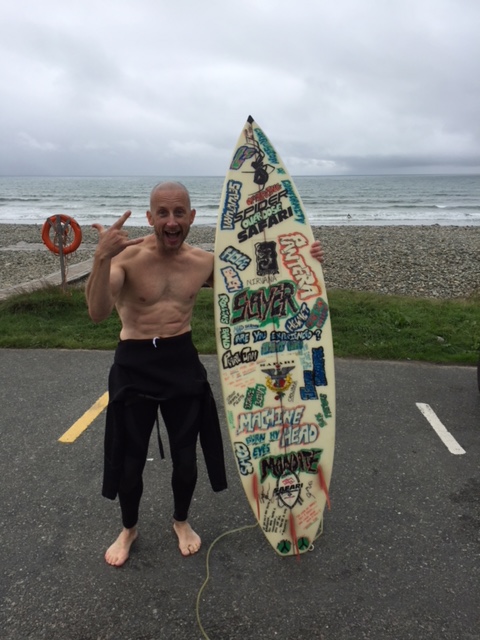
“Can you put these thoughts into your surfing next time, instead if all the negative crap you kept coming out with last time, when you kept trying to get out back in action man height waves, lol!”

That was the response I got from my brother after my last blog tilted ‘Id rather not. Who cares what you’d rather not’
https://younglobal.wordpress.com/2018/09/10/id-rather-not-who-cares-what-youd-rather-not/

To which I responded –

“I’ve got a blog for that as well for those miserable times! (which is this one!)
But answer me this – do I ever quit? No. I keep going. A lot of the time I’m not happy and I moan and get angry. That’s reality. Positive thinking ‘happy all the time’ ideology is just bullshit. It’s not human.
But the question is what do we do to keep going. What resources can we create and pull together to say – Right now this is shit, but keep going. I may throw my toys out of the pram but I always pick them up and keep going.”

We all have an idea of what we want to achieve. An end result. We visualise ourselves doing that thing. We imagine how good we will feel in those moments. Our internal dialogue that lets us know, that when we do this thing, life will be amazing. As if there is no past and no future and only that moment in time that will somehow define or complete us…….and then we metaphorically step out onto the road and get knocked down.

Because conditions are rarely as we had pictured them.

Instead of the confident and successful image we had constructed of ourselves just moments ago, we all too often get it replaced with a reality strewn with doubts and insecurities. The polished result of our mental simulation evaporates and is replaced with a text book demonstration of inadequacy and incompetence.

It’s easy to imagine what we want.

It’s quite another to plan for all the variables and conditions that we will encounter in order to achieve it.

We create a heavily edited version in our minds of a product that, in reality is the result of a process that bares very little resemblance to its final ‘finish line finale’ that we perceived it to be like.

My brother’s above comment was about my recent attempt to improve my surfing.

Now I would love to be able to be able to magically ride waves. To know how it feels to travel through a tube, to touch the wave, to become in that moment a part of it. To look through and see the orange sunset waiting to great me on the other side as I pass through it and gracefully slide down onto the board in time to sit there perfectly poised to watch the sun go down only to be replaced by the gentle flickers of light coming from the flames of the fires alight on the beach, as the camera pans out on me like some sort of character from Point Break. A man a peace in the vast ocean, as though somehow connected – a symbiotic relationship ………that all of a sudden decides to smash my surf board into my face and me back into reality.

Because what I want to do – ride waves in this example – has nothing to do with what I’m going to have to do to make that a reality regardless of my preconceived visualisation.

This isn’t a simulation.

A mix of my skill set and the oceans behaviour today means that once again this is going to be more about flaying about in the surf trying to ‘get out the back’ in order to do what, as per my original visualisation, would be attempting to catch and ride a wave.

And even when I do eventually manage to get out, there’s no guarantee that I’ll catch a wave.

On the contrary, a betting person would wager its more likely that I’ll wipe out and then have to repeat the saga of a life boat man from days gone by and navigate my way through the relentless battering of the waves.

So already there’s an issue of pleasure and pain. Of the amount of hard work in comparison to reward.

Of the fact that we learn through repetition and at this rate, the likely hood of ever learning anything based on the probability of only getting three or four goes at ‘carving it up’ instantly starts to lay a shaky foundation for wanting to continue getting hammered. What’s the point?

And to add to the misery I applied sun cream to my head, which shortly after entering the sea, mixed with salt water and runs nicely into my eyes which stings in a way that inclusive of the sun’s rays feel like they are being mercilessly burnt by like a blow torch browning a crème brulee.

All this is nicely wrapped up in a ridiculous bow of advice from my brother, who to his credit is a competent surfer, but not so gifted in the art of when and what to say that may help someone who is clearly pissed off.

‘Just duck under the waves’ he says in a tone that carries with it a sense that perhaps I had somehow not recognised the bleeding obvious and is bluntly met with ‘I FUCKING AM!’
There’s nothing worse than people who mean well, giving you advice that you already know logically what you need to do, but are currently and clearly incapable of implementing as per the text book instructions at this moment in time –  otherwise, if you could, no doubt you would be doing just that and the need for the advice would not be needed.

As indeed it wasn’t at that time.

And this is normal human, erratic behaviour when we don’t get want we want and are therefore in an emotional state.

And everyone does it. We all throw our toys out of the pram.

We quickly become emotional. We become despondent, frustrated, angry and anxious. When things don’t go as we planned we have a tendency to want to throw the towel in and give up.

But what do we have that can allow us to dig in during these times?

What have we got in those moments to prevent us spiralling and having an emotional melt down?

What can we do to change the perspective on our reality that gets it more in line with our vision of what we want to achieve.

My brother was right I was whinging.

I was pissed off.

I was working to a time frame and It was clear nature was working against me and I wasn’t going to be a big wave surfer today or any time soon, so the question is why stay?

Why not get out and cut our loses.

And it’s easy to sit here now and give advice. Memories are also edited versions of reality.

But at the time I wanted to quit as much as anyone does at these times.

So why and how didn’t I?

My first go to technique is I run a simulation in my mind of how I will feel if I get out.

How once my little hissy fit has calmed down and I’m sat in the car watching my brother out there surfing, how I will feel about myself.

How will I judge myself?

Will I respect that man?

How can I continue to work in this field if, when the going gets tough, I cry off?

That’s my initial main anchor to stay.

But even at this point I’ve got negative, self-defeating dialogue which often surprises people when I tell them.

It’s often there when I’m doing new challenges that are hard.

It’s obviously a protection mechanism but it’s an anxious duality that needs to be managed at these times.

Sometimes I get a break and catch a wave and I’m rejuvenated and desperate to go again.

But this is short lived and each time I get sent back to shore by a succession of waves the dialogue starts again.

The whiney voice that talks like a spoilt child. I want to surf not bloody swim. I don’t want to have to keep fighting through this just to get wiped out. I want to have more goes at riding waves……and on and on.

And then as I get tired and angry my favourite bit kicks in.

The bit where I’m to tired to be polite.

The bit where we are too tired to hold back and entertain that neediness and we snap and say what we think.

And that’s when the other part of me kicks in and I like it.

‘THEN FUCKING GET ON WITH IT YOU FUCKING WHINNY LITTLE BITCH!!!!’

I’m snapped out of my trance and now I’m somewhere else. I’m in the fight and taking charge.

I’m a Navy Seal in Hell Week getting smashed in my dinghy by the surf (which is actually really just my surf board). My drill instructor is begging me to quit.
I’m now playing the part of two people – I’m the drill instructor goading me to ‘fucking quit, ring the bell maggot’ and his spurs me on because I’m also the defiant recruit that says ‘fuck you, I’ll never quit, you will have to drown me before I give up!!!!…..’

And then it’s a different game.

It’s no longer about just surfing, it’s an endurance test to simply get from point A to B. Surfing no longer exists. This is now about my character. My will.

And this is the process.

This maybe my personal process and not yours, but the idea is the same of any outcome we desire.

There’s a shit time in most new endeavours or learning curves and certainly in any personal change work, that will certainly need a process to overcome the pit falls and to eventually succeed.

And it’s because of this process that we stand a chance of ever manifesting those original if slightly naive imagined outcomes.

We have to either love the process or find ways to tolerate it if we are to ever evolve.

In this case my coping strategy and my change of perspective increased my ability to stick with it and get out the back, catch my breath and attempt to catch a wave and stay up instead of calling it a day and achieving nothing.

Don’t get me wrong I was still pretty shit, make no bones about it. But I didn’t quit.

And even if I failed to get any waves or even get out back I knew I passed my imaginary Hell week selection and could leave the water with my head held up high.

And there will be days when even after this we will leave the arena defeated even after our best efforts.

It’s at these times we need to be able to look at the reality of what we wanted achieve in the time we had or the time we had dedicated so far to it.

Surfing takes years to master. And above all it takes consistency.

Both of which I’ve not been able to commit to.

The reason surf schools use big foam surf boards in the white water is because for novices, that the best chance they will ever get of experiencing surfing in the few hours’ time frame they get.

That’s really what I should do if my only precedence is ‘to surf’ once in a blue moon.

And if I decide to decline that offer, and cut it with the big boys,I have to dial back my expectations. To know that for the foreseeable future, failing perfect conditions, much of my time should be spent mastering the basics and forgetting the long game of surfing.

I should understand that today’s sessions is primarily going to be paddle technique, duck diving, positioning myself better on the board etc.

Granted it’s the nuts and bolts.

It’s not glamorous and often boring, but at least when we present ourselves with the facts of our reality instead of getting annoyed by the fact that we’ve allowed ourselves to stumble at the hurdles of our own bullshit, we stand half a chance of understanding what is required to succeed.

This is also the time to decide whether we want to go on.

Whether it’s where we want to spend our time.

It’s at the process stage that we need to make our decisions and whether we want to embark on this escapade rather than at the bells and whistles of the finish line.

The more we get to understand ourselves and how we create our realities and where and why we fall down, how we cope and manage in hard and challenging times, the more we stand a much better chance of carving through life’s waves and into a sunset of our making.

6914201486_547ba2bb37_b


I’d rather not. (who cares what ‘you’d rather not?)

GP010319
I arrived at my Freediving class a few weeks ago just in time for my coaches announcement that it was Cooper test day and to hear everyone else’s muttering of their disapproval of what lay ahead.

Cooper test is a 12 minute session of swimming laps – one apnea (under water) and one on the surface back and forth as quick as you can for 12 minutes. The idea is to do as many lengths as you can in the allotted time.

No one really looks forward to this test, basically, because to do well takes determined effort and quite a lot of discomfort and mental fortitude.

Usually this test is done with a partner. One swims whilst one the other spots for safety just in case someone passes out under water but mainly to count lengths.

On the last Cooper test several of us had done well, so it was suggested by our coach, that those with high scores buddy up in threes and play a game of catch up.

For example, one person swims a lengths and then as soon as they turn for the return leg the next person goes and attempts to play catch up or even lap their opponent while the third person keeps count on the side.

Straight away this throws a mental cat amongst the pigeons.

When we are racing the clock or simply training for ourselves we can set the pace.

We can create a rhythm and pace that suits us.

The better we get at this, the almost paradoxical idea of ‘going slow to go fast’ happens.

When we stay calm and in control the better we usually do because less energy is expelled through stress.

However when we are racing or competing against a opponent – in this case chasing someone or being chased, causes a certain feeling of anxiety.

Considering that Free diving is a sport where performance is massively increased the more relaxed you can be, it seems ironic that this test, especially with the new addition of racing an opponent had been added.

Not ideal I thought.

Sitting on the toilet, as is customary is at these times prior to a competition, I had that discussion one does with one self, when a potential threat looms on the horizon, regarding ‘what Id rather do’ and how the test ‘would be better performed’ to make me feel better about it – or more specifically about myself.

And we all do it. Worry unnecessarily.

But the truth is when we do this, what we are really doing is negotiating with ourselves or with our coaches out of fear. The fear of failure.

We don’t want to mess up –  simply because we want to feel good and ‘not shit’ about ourselves.

We want to be winners, not losers.

But the problem with this default thinking is that it can lead us to cheat, to take short cuts and to take the easy option or just not turn up.

And, because we all want to do well, it often comes at the cost of never actually getting better.

By thinking we are doing well, even if, really its just average, or should I say  ‘slightly better than the shit ones’, we can at least attempt to deceive ourselves for a while and celibate what is really, at best, mediocrity.

But the idea of doing shit initially, in order to improve, comes with no guarantee of progress long term. Right now may be as good as it gets!

This is a big issue and one that keeps us stuck in old patterns of behaviour.

It takes a lot to allow ourselves to let go of that feel good factor, of being a percieved winner in return for what is just an idea, a possibility, that in time we will surpass where we currently are at our best.

We just want to improve. We just want to go forwards.

The idea of going backwards to improve in the future is counter intuitive- it’s a risk.

We stand a chance of spending days or weeks, months, even years of no reward for an idea of perhaps ‘being better than where we are right now’ in the future.

And like I say we all do it.

As I got to the side of the pool after my toilet break analysis, one of the other guys was doing exactly the same and was trying to negotiate with the coach about what fins he should be able to wear.

We wear floppy, crappy fins in training deliberately to make it harder and to develop better technique.

However for the cooper test he wanted to wear his stiffer dive fins pleading ‘come on coach give me a chance!’

The question is a chance of what? A chance to appear better than we are. To deceive ourselves? To measure ourselves against those who have worn the shit fins?

10 lengths in shit fins is not the same as 10 lengths in stiff fins – but we pretend it does to make ourselves feel good enough or as good as or better than the others.

But its nonsense.

As I sat on the porcelain seat, the familiar voice that tires of my pleading kicked in and yelled at me –
‘who the f**k do you think you are? Telling the coach what you think is best? Can you imagine being in the SEAL teams and saying ‘now listen here staff, its a bit chilly today to get in the water, i think we should sit it out today’. He’d tell you to f**k off and to ring the ‘bell  of quitters’ and go home and not bother returning.
Now get out there and do what you are f**king told.
You are not here for a good time you are here to train, to get better and to improve! Pull your shorts up and crack on!!’.

So I did.

And interestingly, once Id adjusted to my reality, I could stop fretting and instead make a plan for what was actually happening as apposed to worrying about what I wish was not happening.

I briefed my training partner how I felt – he felt the same way, so we agreed to do our own thing and just go with what happens – ie if you lap me, so be it.

Also knowing what I now knew, I also volunteered to be chased. To have the position of most pressure, because now I saw it as an opportunity to learn, to develop and to improve. To use my mind coaching skills and knowledge to work inside a real time, self induced, stressful situation and to therefore hone those skills.

Then I sat down, sorted my breathing out, and just relaxed.

When our time started I just went to work.

Its  then very simple. Swim underwater, touch the side, swim back on my back to get my breath ready for the return leg underwater and repeat with zero breaks.

As a bi product of pre session analysis and mind coaching, of pre-comp breath work and then single mindedly going through the motions in the pool, I did not get lapped, I did not stop and I beat my previous number of laps.

Will I feel concerned the next time we do the Cooper test knowing this?

Of course I will. Its natural to feel anxious in these situations.

But the difference is each time I will apply the same ideas.

I will no doubt add to them and develop them. Ill get quicker at changing my mindset from panic to calm, from ideas of potential failure to that of a growth mindset regardless of outcome.

And to illiterate – Its constant work. Evolving our thinking, like any muscle, needs constant training. It never ends and we never become perfect, fearless, confident beings in all environments.

All we can attempt to do is get better than the last time we felt shit or afraid and anxious.

And each time we do, we feel better –  because win or loose, we are growing.


The problems the solution

Concrete_Boots_-_geograph.org.uk_-_157520

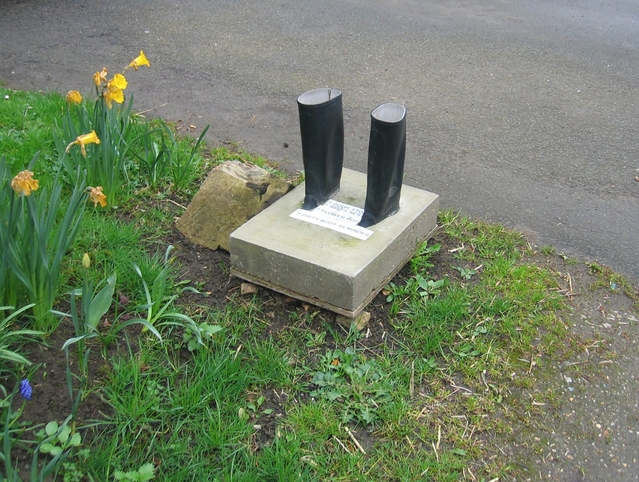
The problems the solution. Well this may not be a statement of fact and just one to think about.

All to often we approach the issues in our lives, whether its our weight, alcohol or drug use, smoking, depression, anxiety, an eating disorder, low self esteem etc as ‘the problem’ that we need to fix, which we then attempt to go looking for solutions, often to not much avail. And despite the failures we still continue to look in the same places for answers.

But what if we are looking in the wrong place. What if we are attempting to stop, or fix the wrong thing?

What if  the enemy is really an Allie?

What if, what we are currently calling our problem, is actually just the solution to the real underlying problem.

Now, I appreciate this isn’t a new concept of course.

But despite this, we rarely, if ever, interpret our problem as a solution. Its always the problem.

However, if we take a moment to look at it as the solution, we often find we ask ourselves different questions.

And because of this we may find we feel differently.

We get an opportunity to look in a different place and at perhaps what we are really missing.

It can often feel like we are hitting a brick wall when we try to solve what seems like a problem.

We seem to just keep looking for solutions that keep pointing in the same direction but seem to never have any resolution. We just seem to stay stuck.

But as soon as we think of problems as solutions, all of a sudden we get a space.

A new opening to explore, to ask different questions and to enquire what are our real needs are.

Inside of this new mental perspective we have an opportunity to see what we need, rather than what believe we have to stop doing to feel better – despite it feeling against our will to do so.

We may get to observe and understand why we chose a particular solution that previously, we thought we needed to stop, or give up and whether there is now a better, more up to date –  and perhaps, less detrimental way to get those needs met.

Obviously its not a fool proof solution or necessarily going to create a eureka moment.

And even if it does, he hardest thing is then to convince ourselves to choose ‘the other solution’, that actually may not work in reality.

The chances are it will also be harder to implement. It will take work and won’t necessarily make life better at the start  – or even ever.

Change doesn’t always mean better.

Often its just different.

And with it comes a new set of problems which we need to deal with.

And with those new problems we weigh up and struggle with whether to go back – or actually go back –  to our old patterns, which despite their side effects, we know successfully numbs the immediate discomfort and, in those moments, gives us peace.

And it’s whether the familiarity of our current problem and the temporary relief that it gives is too seductive to be able to continue on or get back to the new course of action.

But changing beliefs is not about being right or wrong, but rather trying to restructure patterns.

Beliefs and habits are based around these patterns.

In order to change them – to restructure them –  we need new ways to understand their details.

New perspectives change beliefs. They shed light on the blueprints of our problems and why our current solutions which we call problems exist to actually help us rather than to hinder us.

By finding ways to do this, means we stand a much better chance of getting what we really need, rather than feeling like we are giving something up.